

Uncategorized
 July 27, 2026
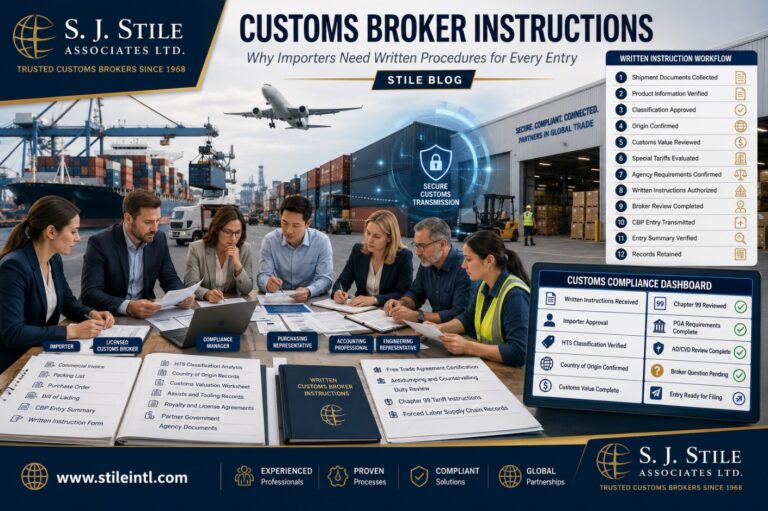
Introduction A customs broker can prepare and transmit an entry, but the broker does not manufacture the merchandise, negotiate the…
 July 20, 2026
Why the Commercial Invoice May Not Represent the Complete Customs Value Introduction The amount shown on a commercial invoice is…
 July 13, 2026
Introduction Importer Security Filing, commonly called ISF or “10+2,” is sometimes treated as a routine shipping formality. In practice, it…
 July 13, 2026
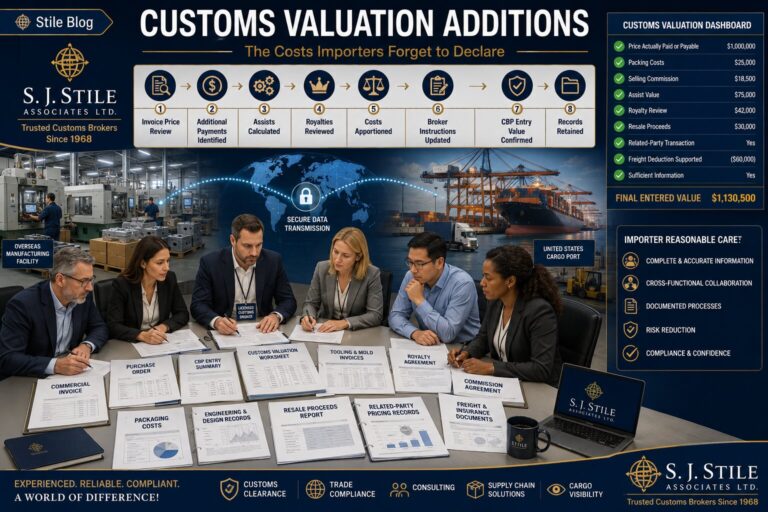
How Assists, Royalties, Packing, Commissions, and Resale Proceeds Can Increase Dutiable Value Introduction Many importers assume that the value declared…
 July 8, 2026
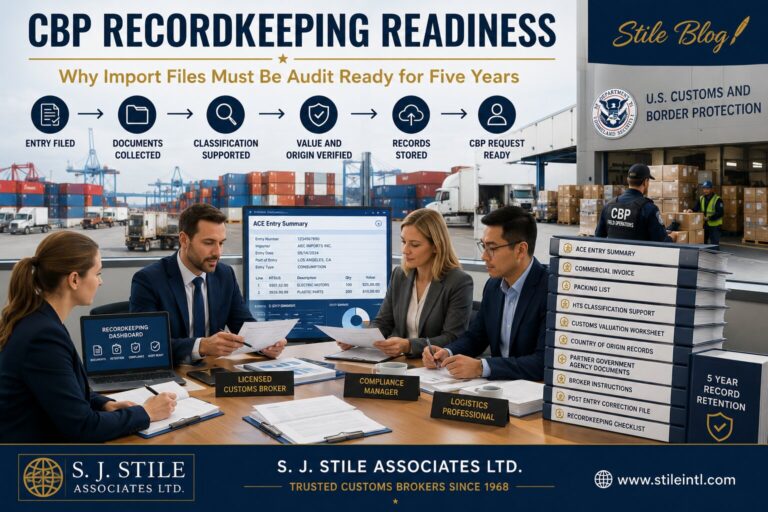
Introduction Import compliance does not end when cargo is released or when duties are paid. For U.S. importers, the entry…
 July 6, 2026
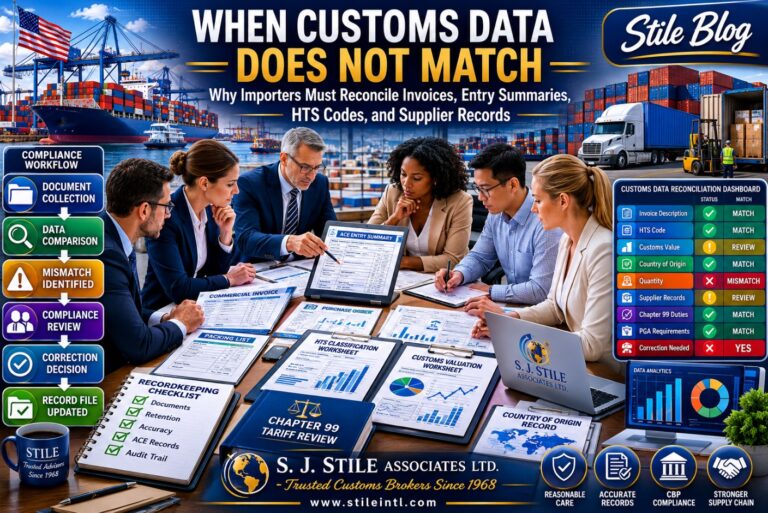
Introduction Customs compliance does not depend on one document alone. It depends on whether the complete import record tells one…
 July 3, 2026
Introduction Artificial intelligence is no longer a theoretical development for the customs and international trade community. It is already being…
 June 29, 2026
Introduction Recent changes to the Section 232 tariff programs for steel, aluminum, copper, and derivative products have created new classification,…
 June 26, 2026
Introduction U.S. Customs and Border Protection has issued new regulations indefinitely suspending duty free de minimis treatment for most commercial…
 June 24, 2026
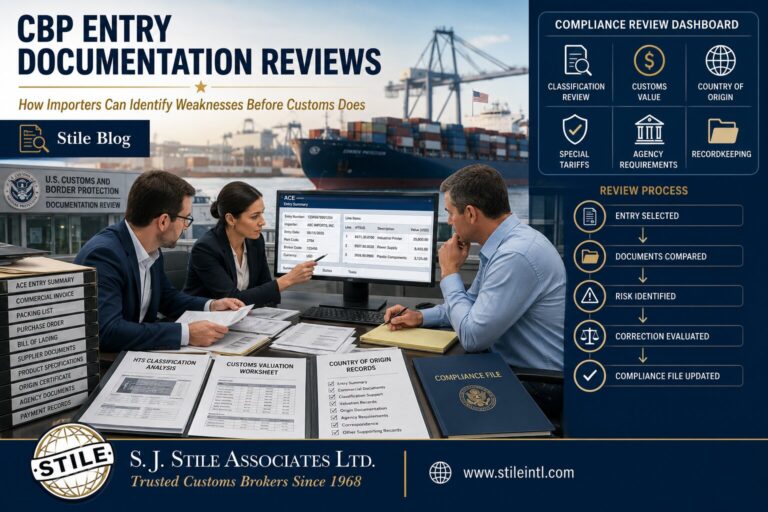
Introduction An import entry may clear U.S. Customs and Border Protection without examination and still contain significant compliance weaknesses. Cargo…
 June 23, 2026
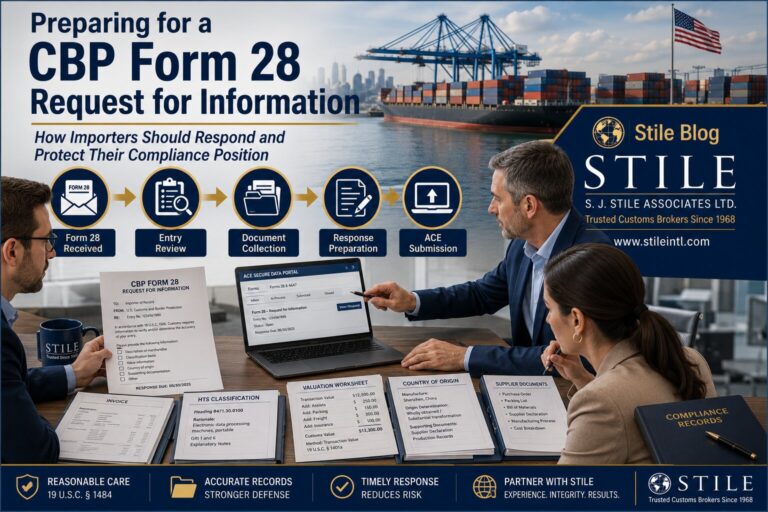
How Importers Should Respond and Protect Their Compliance Position Introduction Receiving a CBP Form 28, Request for Information, does not…
 June 22, 2026
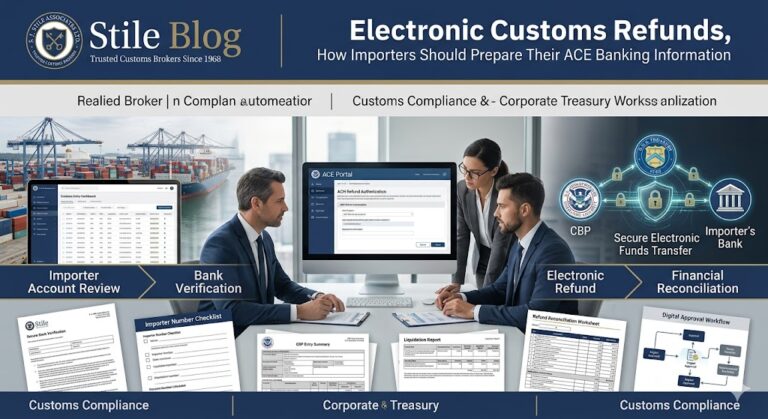
Introduction Electronic customs refunds are no longer simply a convenience. They are becoming a core component of federal payment administration…